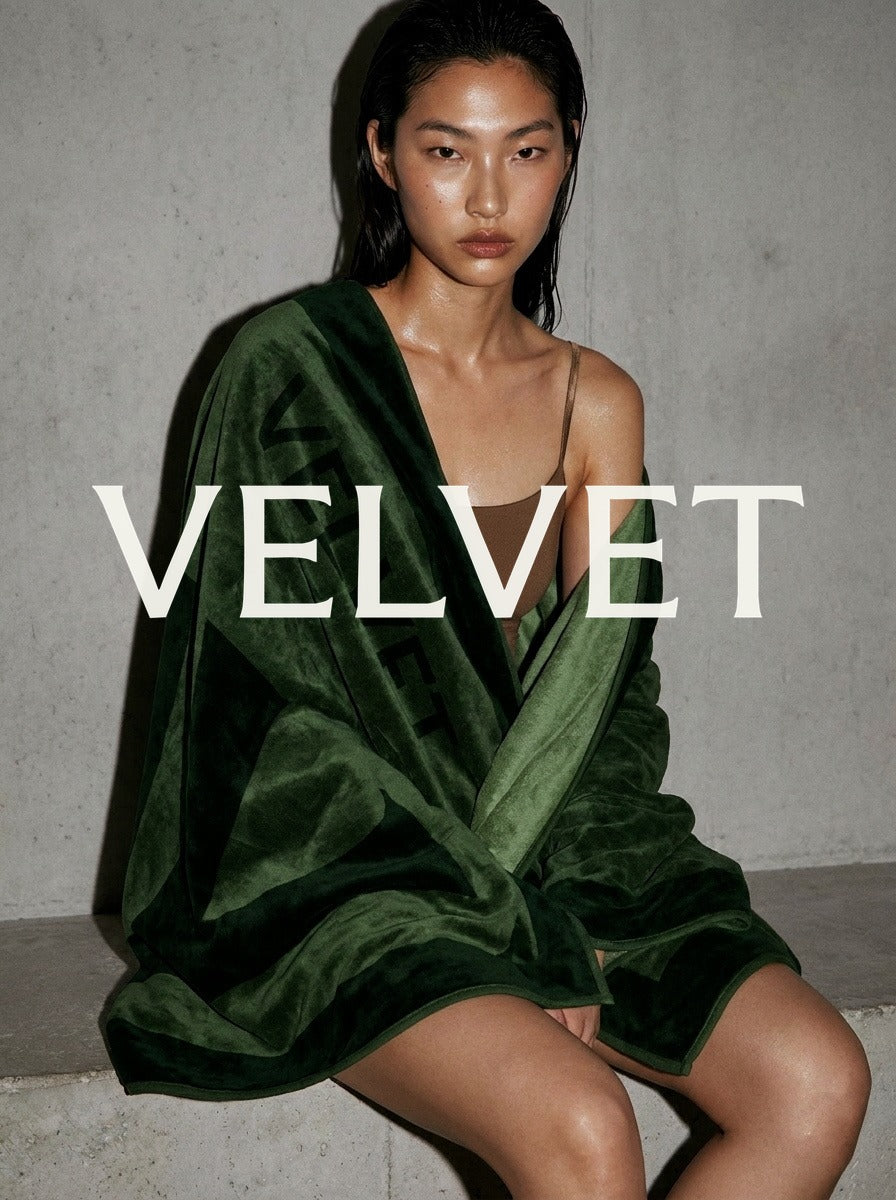
Most towels have one character. A two-sided towel has two. VELVET makes towels, and this is how ours are built: one cloth, two faces, no seams.
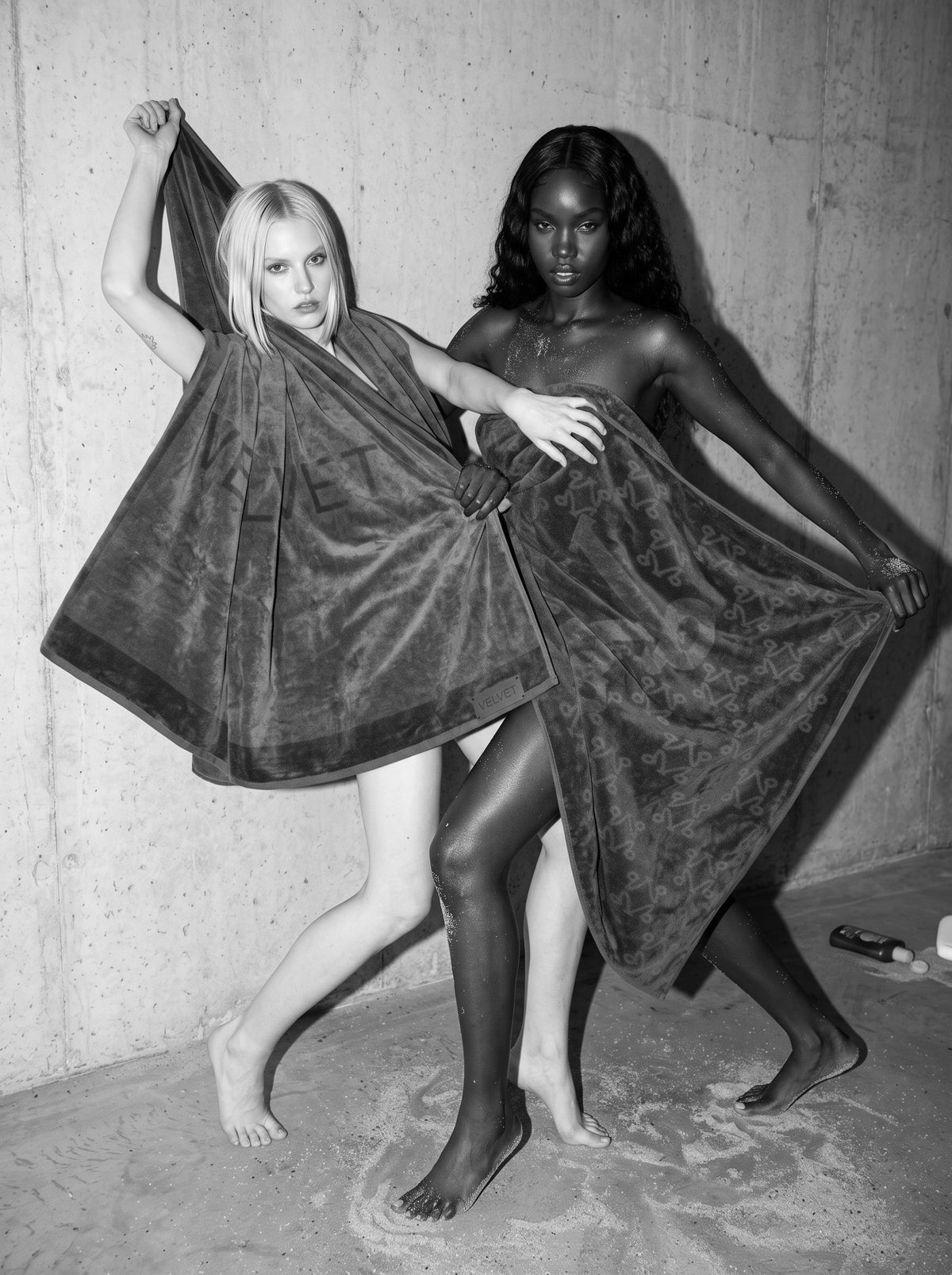
What is a two-sided towel?
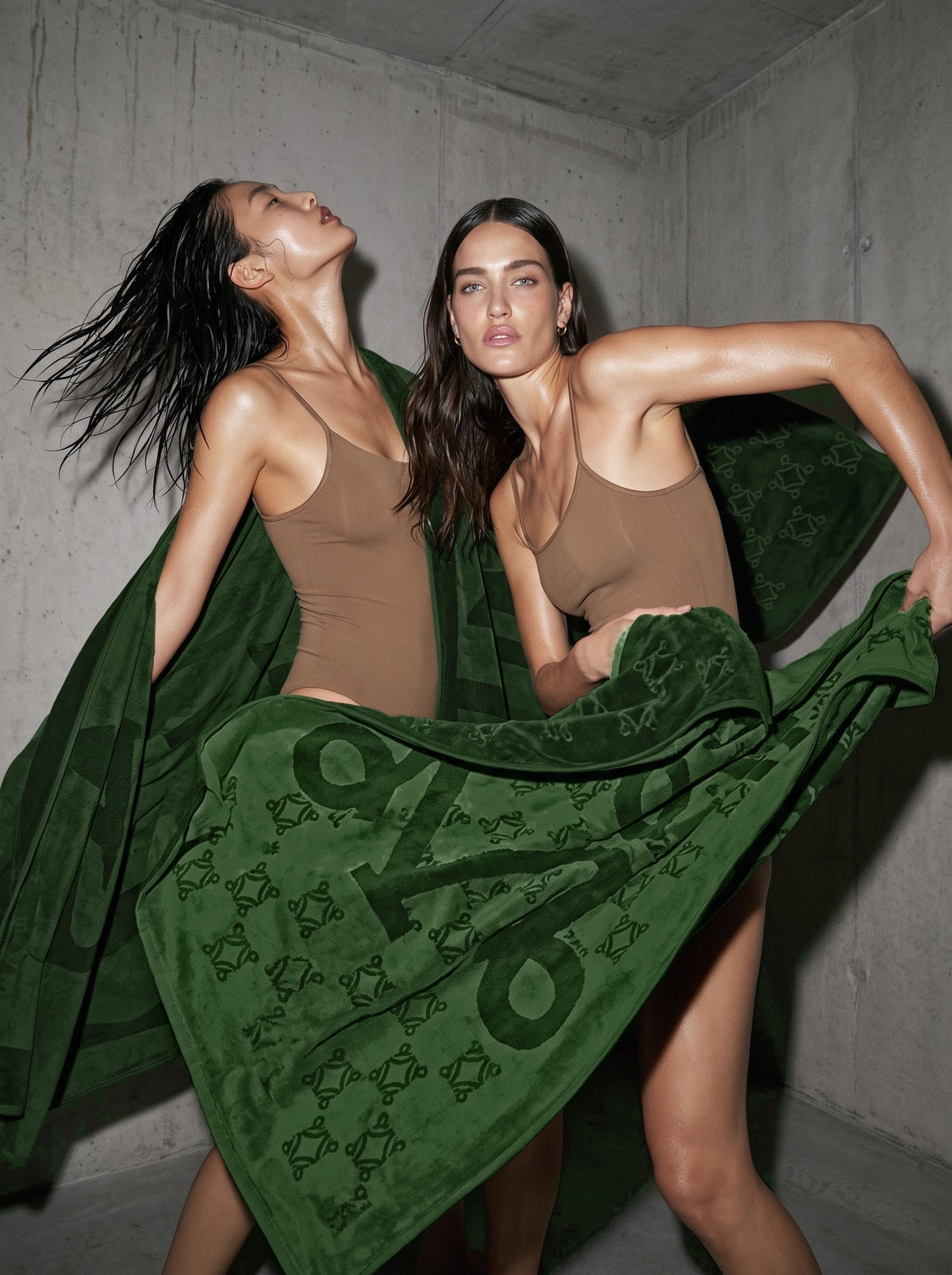
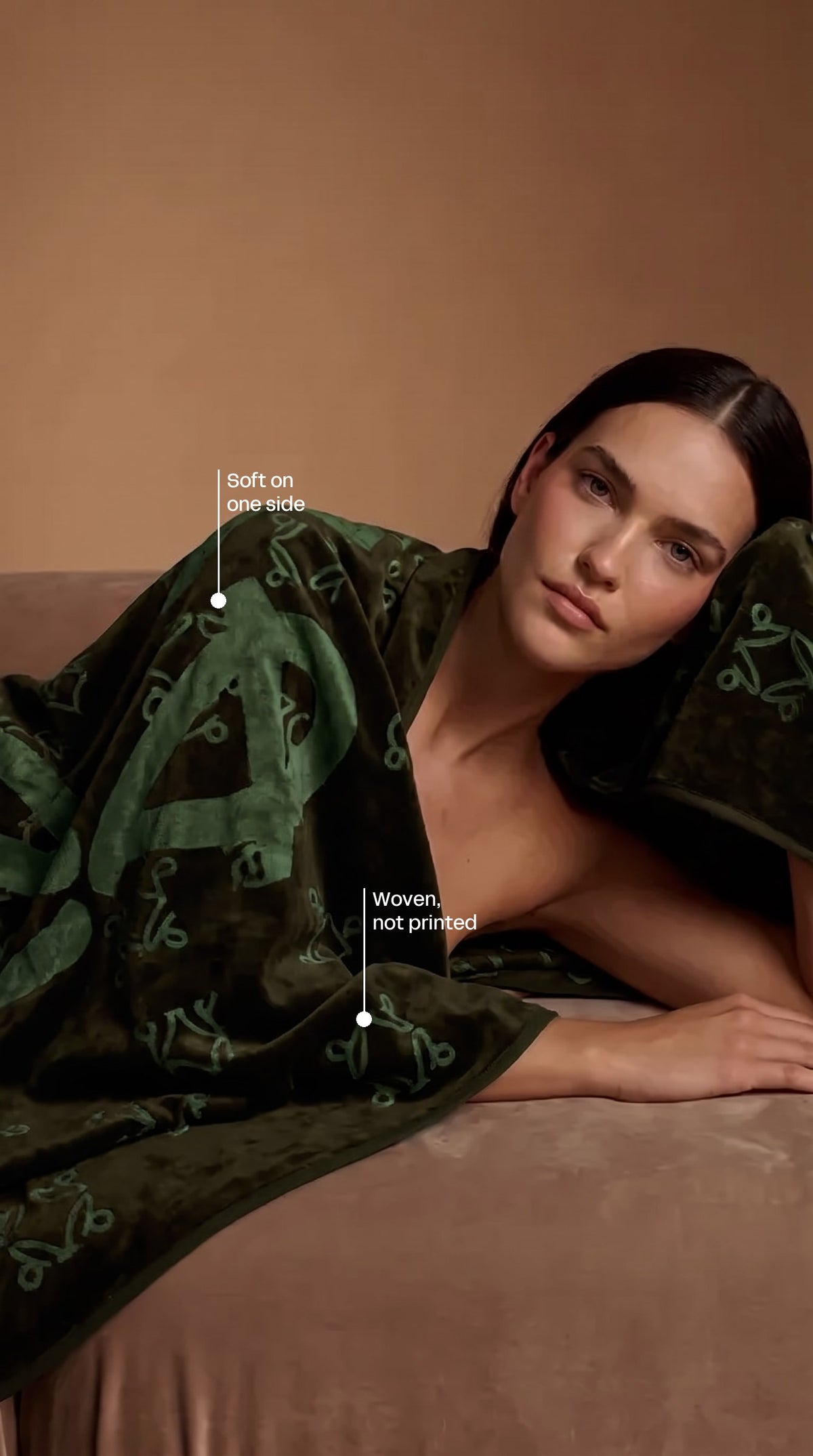
A two-sided towel has a different surface on each side. One face is soft against the skin. The other face is made to dry. You choose which one you want at any moment.
There are two ways to build one. A maker can join two separate fabrics with stitching. Or a loom can weave both faces together as a single cloth. VELVET towels are woven as a single cloth. There is no join and no seam to wear through.
What are cut pile and loop pile?
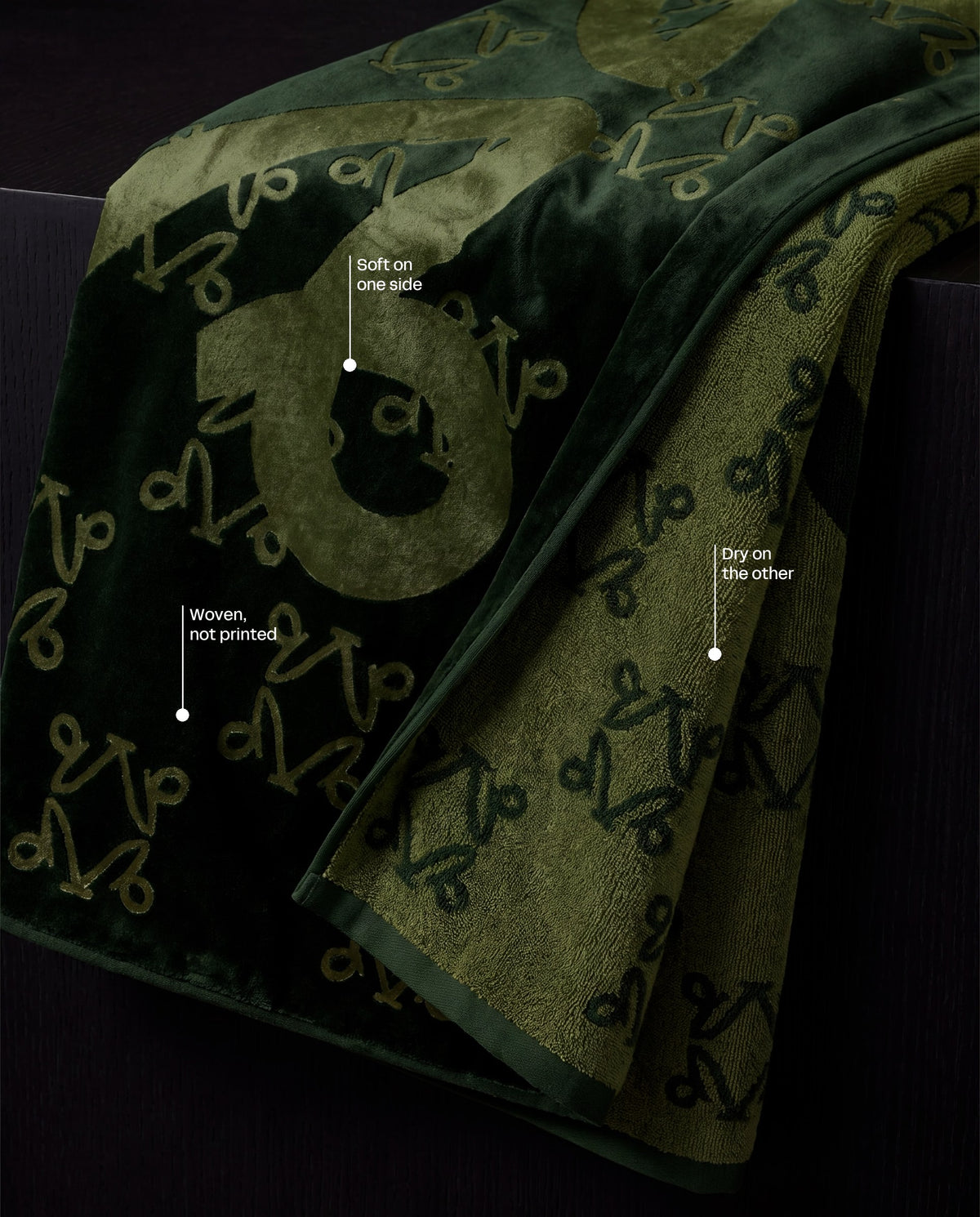
Pile is the surface of a towel, made from yarn standing up from the base of the cloth. It comes in two forms.
- Cut pile is a surface where the loops are cut open to form a dense, soft nap. This is the soft face of a VELVET towel.
- Loop pile is a surface where the yarn stays in uncut loops. The loops hold water, which is why loop pile is the face that dries. This is the dry face of a VELVET towel.
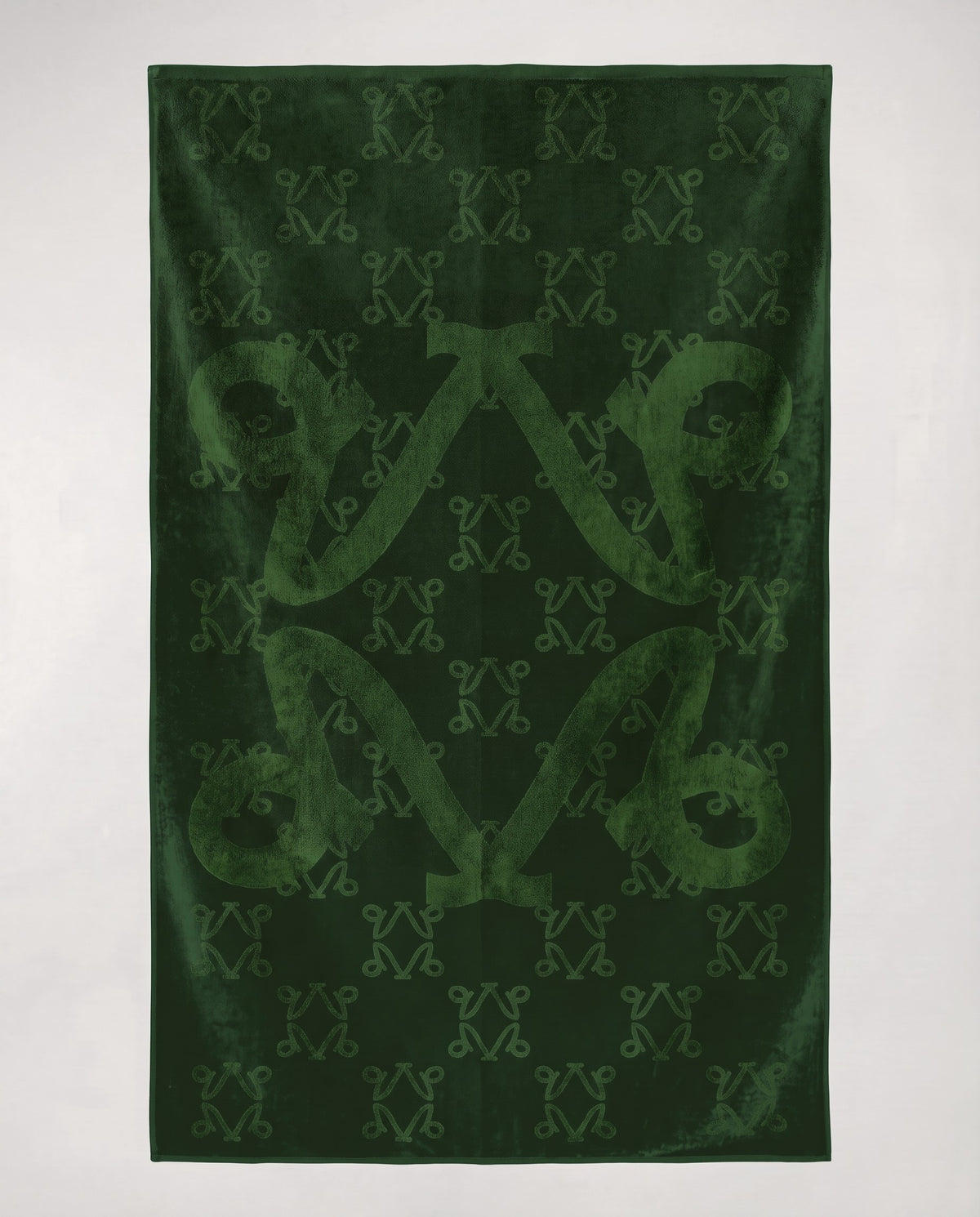
Both faces come from one weave, and both are cotton from the first thread to the last. Soft on one side. Dry on the other. Italy-made.
Why does a single cloth matter?
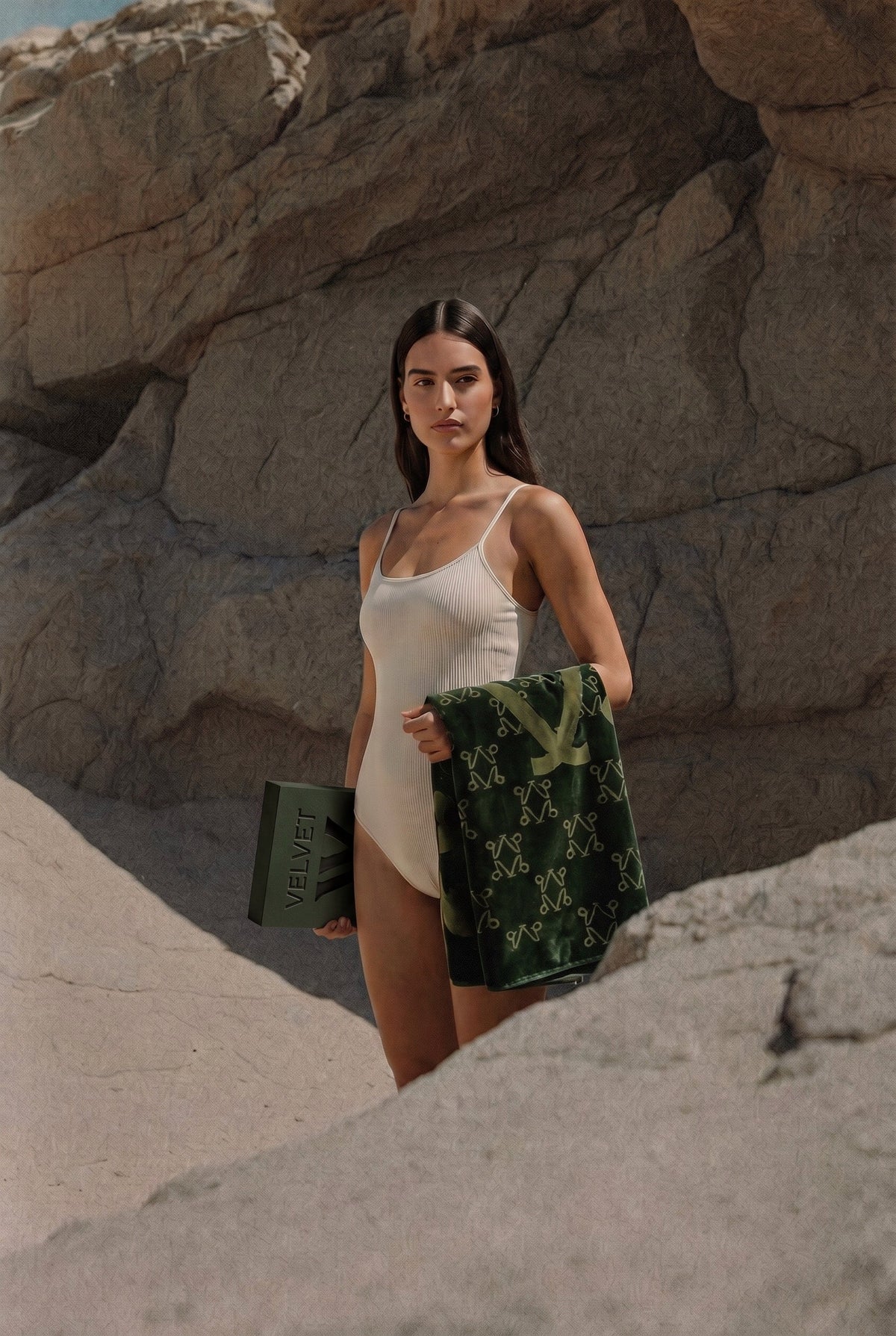
A single cloth gives the towel one structure. Both faces share the same base, so the soft face and the dry face move, wash and age together. The towel hangs flat, folds cleanly and has no stitched edge between its two sides. It also means one cloth does two jobs. The soft face rests against the skin. The dry face takes up the water.
What is a jacquard towel?
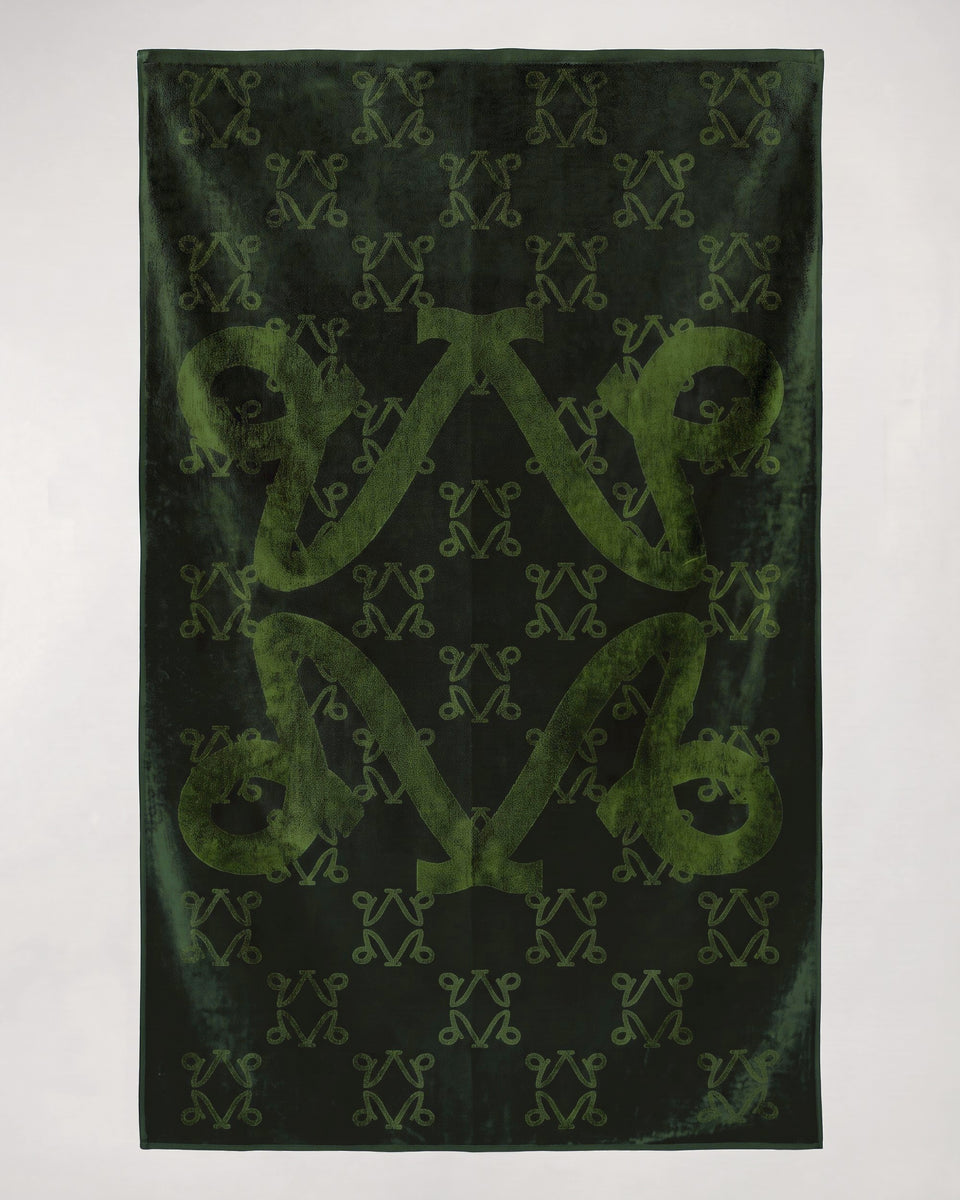
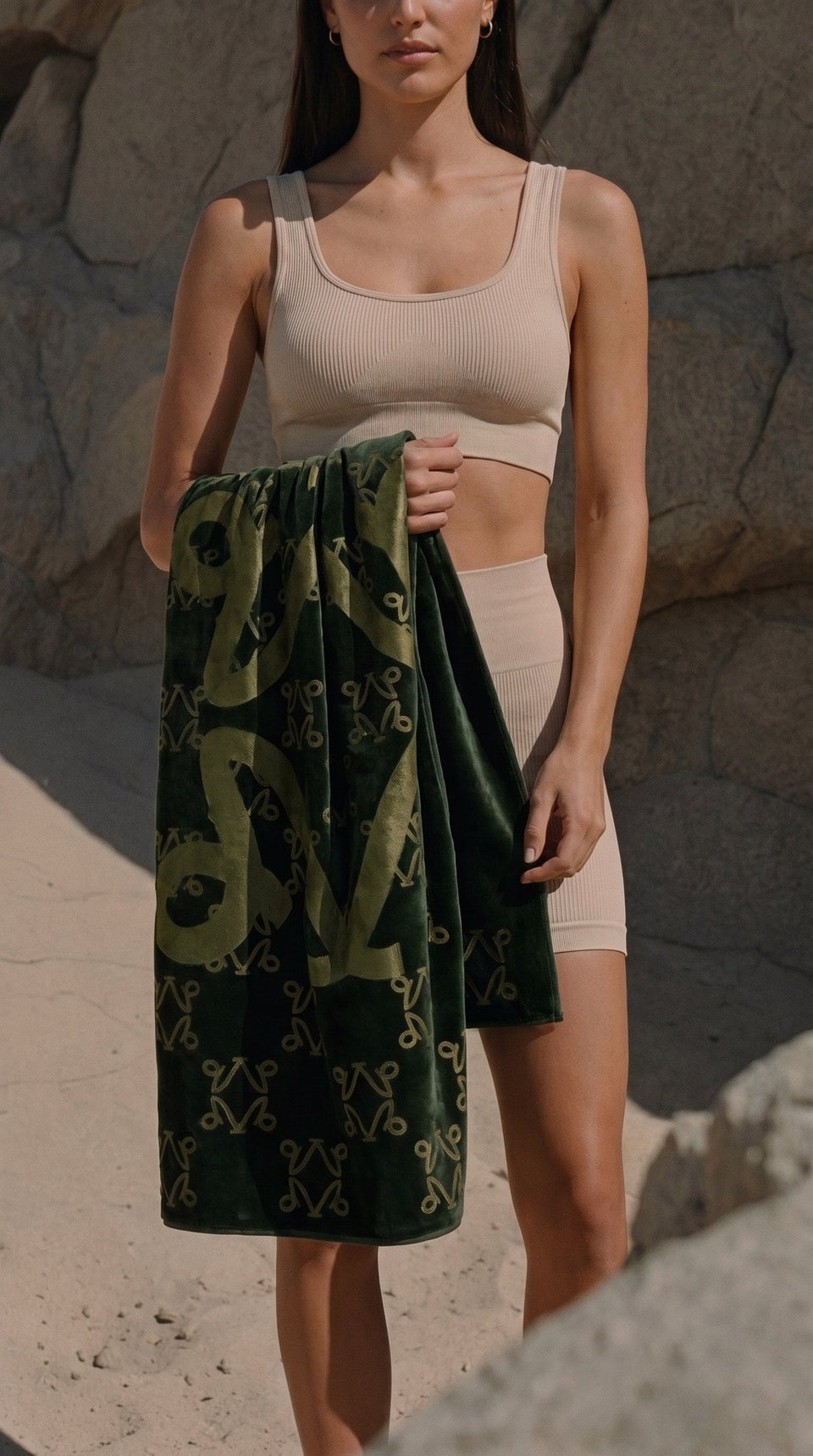
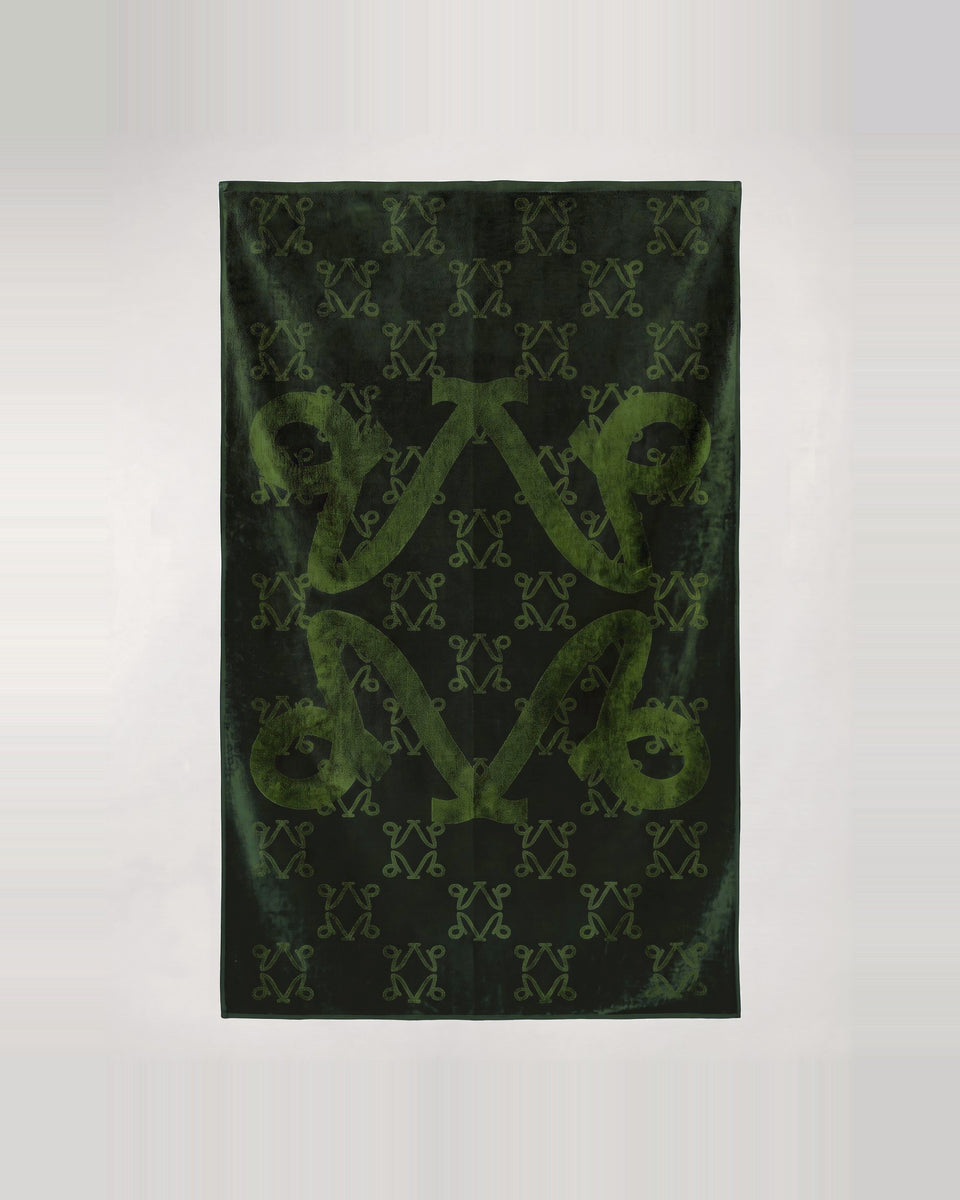
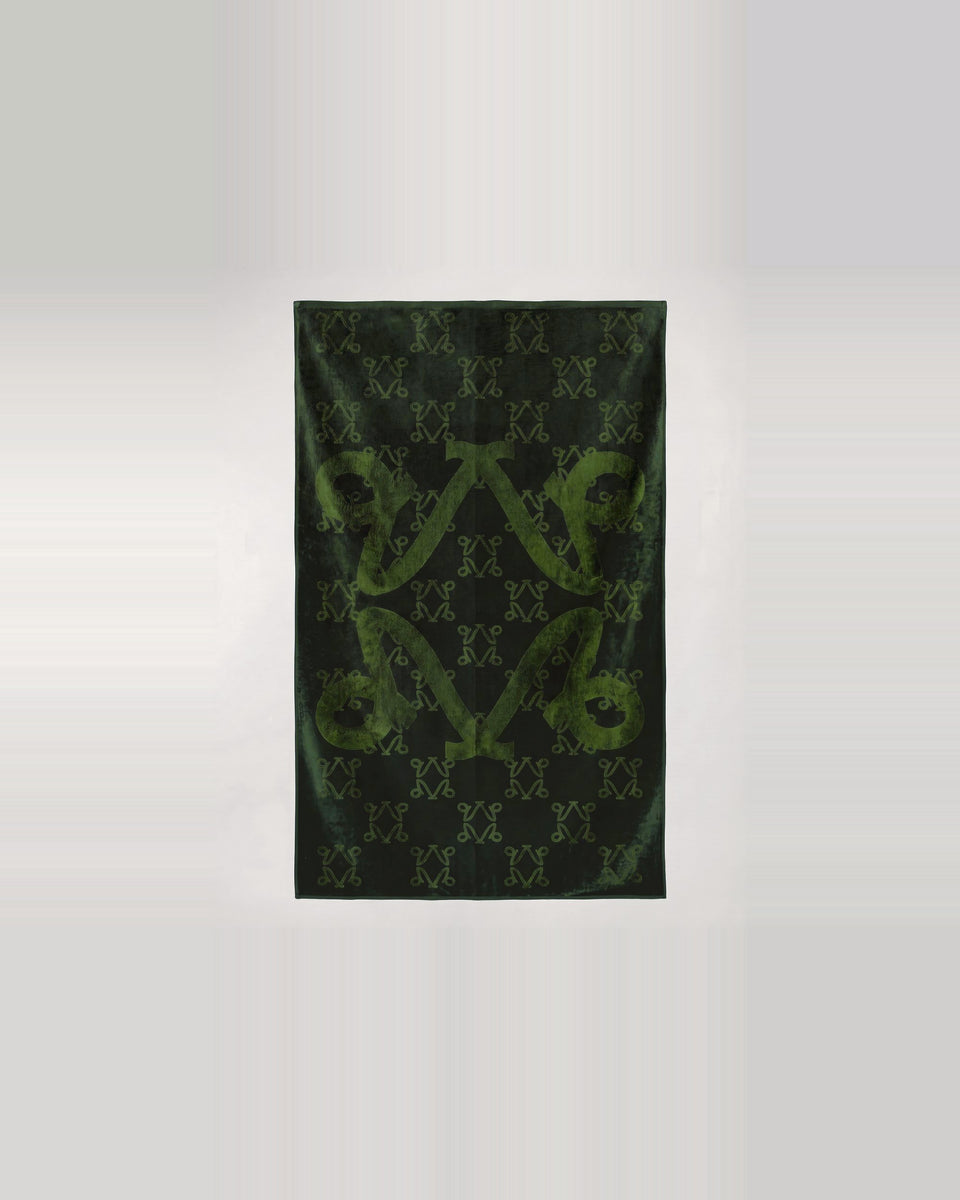
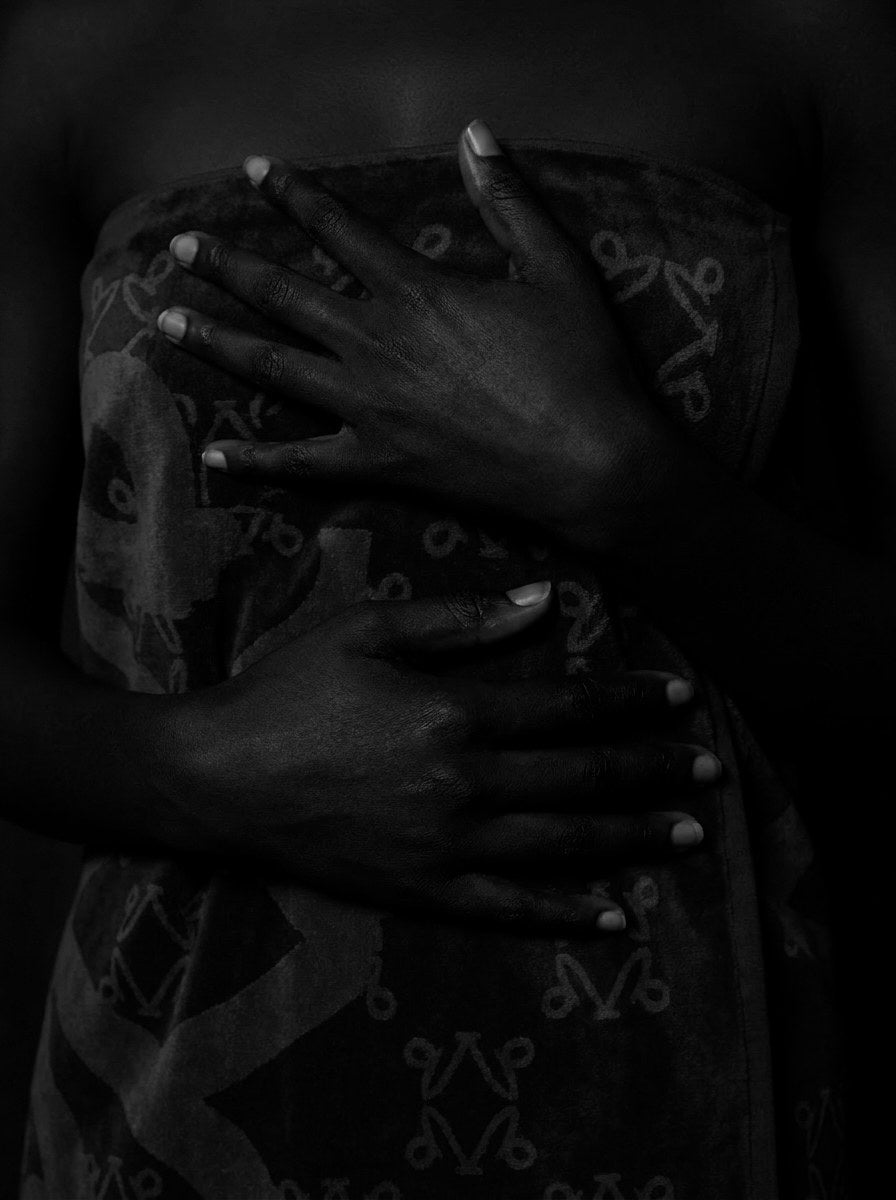
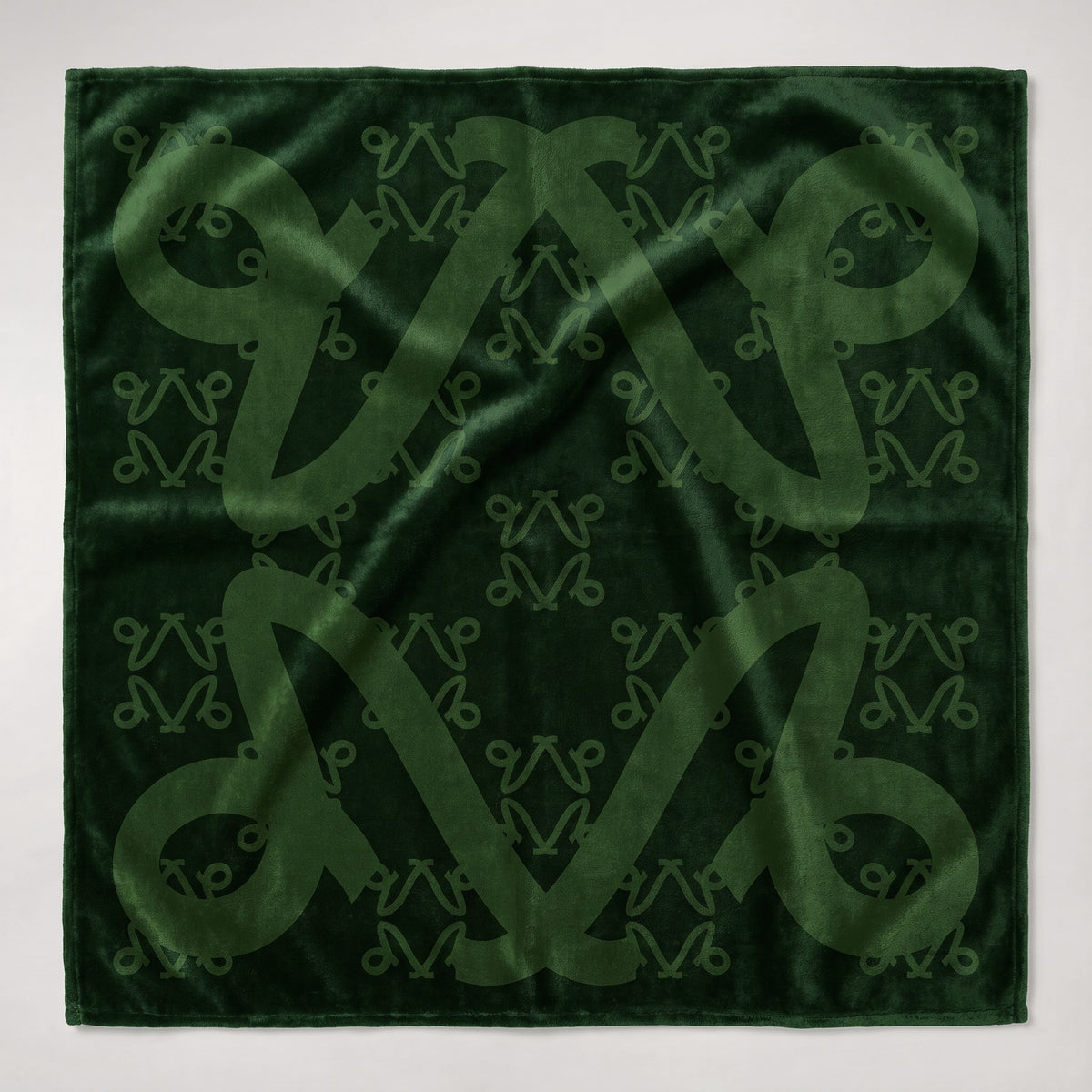
Jacquard describes a way of weaving in which the loom controls threads individually, so a pattern is built into the cloth as it is made. A jacquard towel carries its design in the weave itself. The VELVET Monogram is a woven pattern. The design belongs to the cloth.

What does yarn-dyed mean?
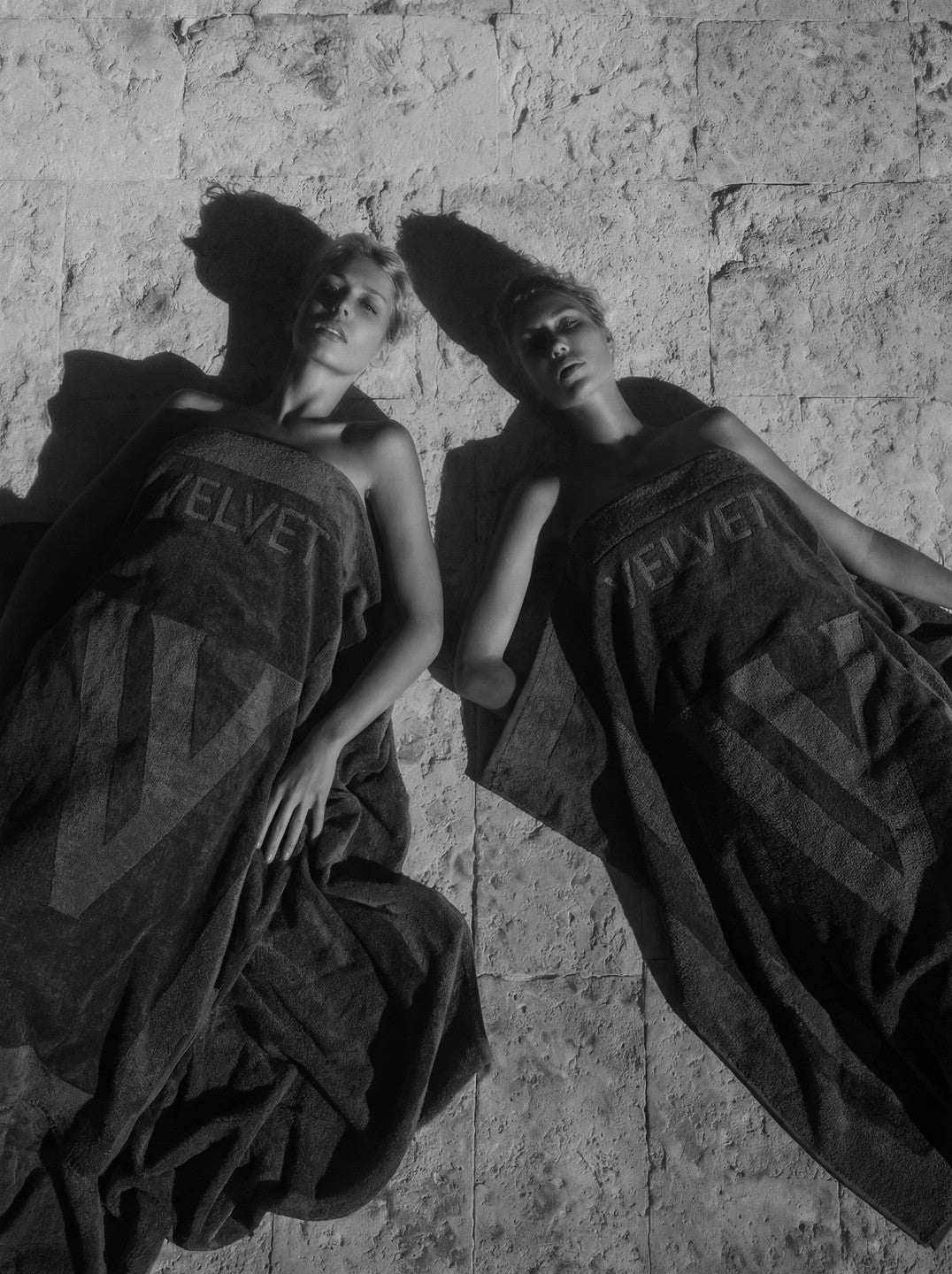
Yarn-dyed means the yarn is dyed before it is woven. The colour goes into the fibre first, then the cloth is built from coloured yarn. Dyeing the finished cloth is a different route. With yarn-dyed cloth, colour sits deep in the yarn and runs through the pattern from the first thread.
This is the method behind Undergrowth, the colourway of our first collection.
Why does ring-spun, low-twist cotton matter?
VELVET towels are 100% cotton. The yarn is ring-spun and low-twist.
- Ring-spun yarn is spun on a ring frame, a method that gives a smooth, even strand.
- Low-twist yarn is twisted less. A looser twist leaves the yarn softer and lets it take up water more readily.
How do you care for a two-sided towel?
Wash it warm, leave out the fabric softener and dry it on a line or tumble low. Fabric softener coats the fibre and undoes the softness, which matters most on the soft face. The full routine is in our towel care guide.
Where is a VELVET towel made?
Every VELVET towel is woven, cut and finished under one roof at a family mill in northern Italy. The mill has worked in the craft for three generations. Weaving, cutting and finishing in one building keeps every stage of the cloth within reach of the same hands.
What is the first VELVET collection?
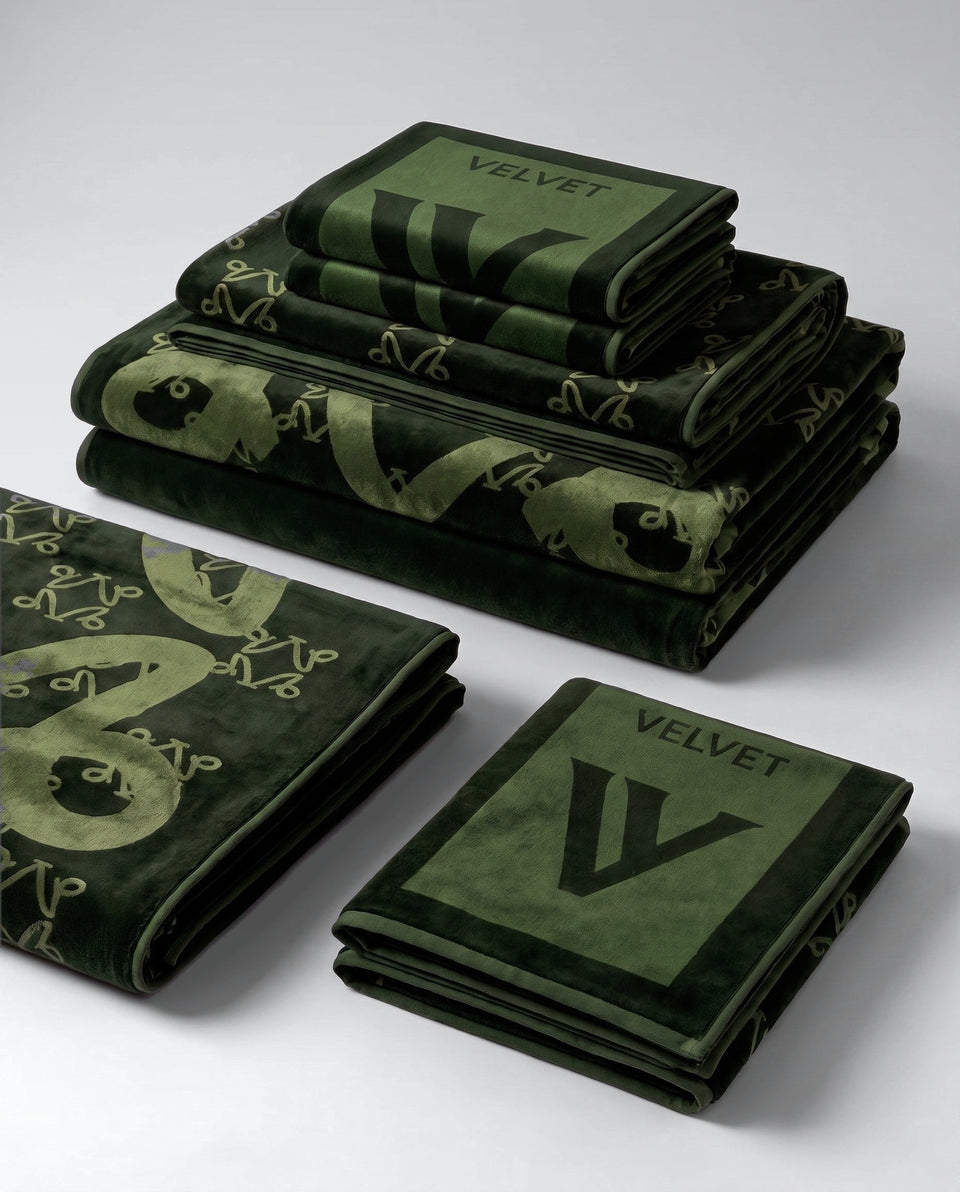
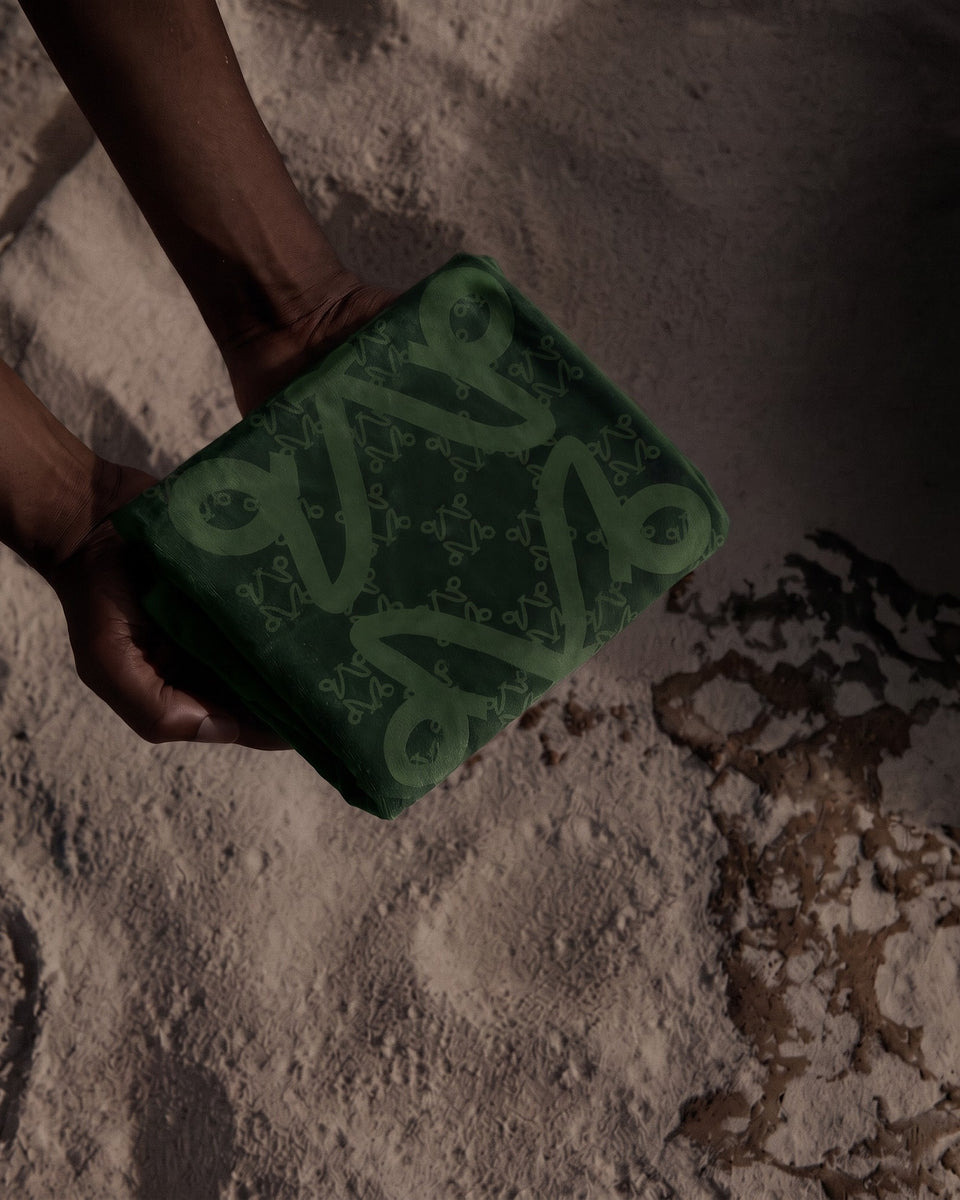
The first collection is the VELVET Monogram in the Undergrowth colourway, cut in four sizes: face towel, hand towel, bath towel and bath sheet. See the whole range in the towels collection.
Not just a towel.